



X- EDTA Chelated Iron | Fe 13%
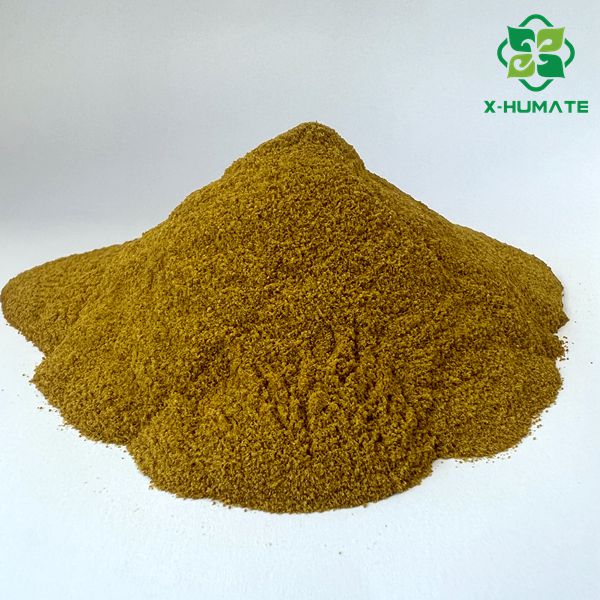
EDTA iron fertilizer is a high-efficiency trace element EDTA chelated iron fertilizer used to supplement iron in agricultural production. It forms a stable chelate through the chelation of EDTA (ethylenediaminetetraacetic acid), which prevents iron from being fixed in the soil and significantly improves the bioavailability of iron.
CAS No.: 15708-41-5
Molecular Fomula: C10H12N2O8FeNa•3H2O
Molecular weight: M=421.09
Chelate Iron% | ≥ 13.0 |
Heavy metal(as Pb)% | ≤ 0.001 |
Cd % | ≤0.001 |
Matter insoluble in water% | ≤ 0.1 |
PH value (10g/L,25℃) | 3.8-6.0 |
Appearance | yellow crystal powder |
Benefits of EDTA Chelated Iron Fertilizer
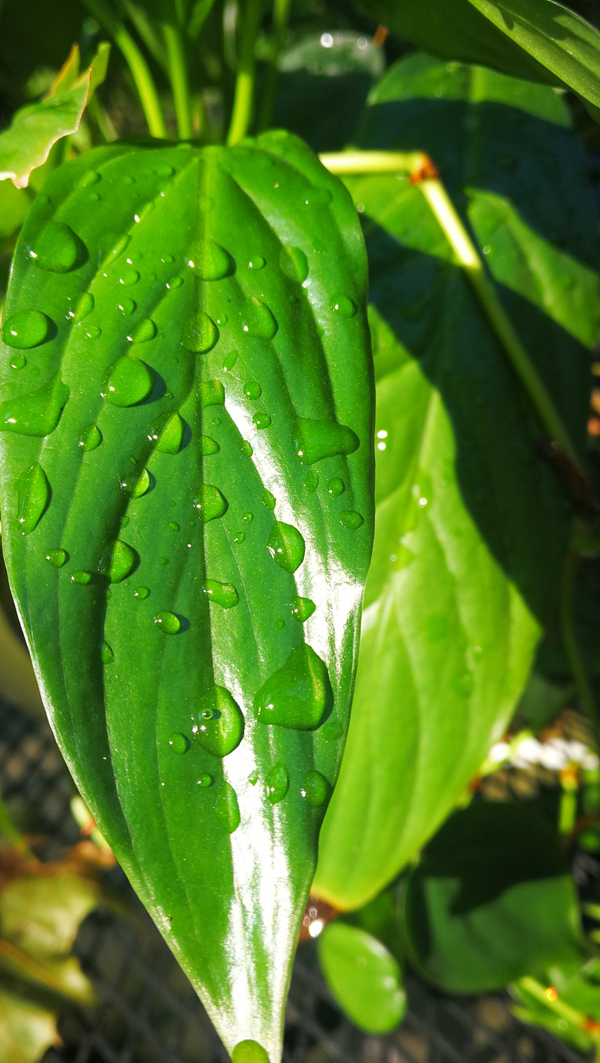
1. Effectively prevents iron-deficiency chlorosis and safeguards chlorophyll synthesis. Iron is a key auxiliary element in chlorophyll synthesis (although not a component of chlorophyll, it participates in its synthesis). When crops are iron-deficient, leaves exhibit typical"chlorosis"—the veins remain green, while the areas between them lose their green color and turn white (in severe cases, the entire leaf turns yellow, with scorched edges). Photosynthesis is significantly reduced. EDTA iron is rapidly absorbed directly by crop roots or leaves, effectively alleviating and preventing iron deficiency symptoms. It is particularly effective for acid-loving crops (such as citrus, grapes, roses, and vegetables), preventing growth stagnation and yield reduction caused by iron deficiency.
2. Enhance photosynthesis and energy conversion
Iron participates in electron transfer and redox reactions within crop cells. It is a component of numerous enzymes (such as cytochrome oxidase and peroxidase), directly impacting the efficiency of both the light and dark reactions in photosynthesis. Supplementing with EDTA FE promotes photosynthetic electron transfer, increases ATP (energy carrier) production, and enhances carbohydrate synthesis and transport, providing sufficient energy for crop growth and boosting yields.
3. Improves Iron Utilization and Adapts to Complex Soil Environments
Ordinary iron fertilizers (such as ferrous sulfate) are easily oxidized into insoluble iron hydroxide in alkaline soils (pH > 7), soils high in calcium, or soils with high bicarbonate content. This makes it difficult for crops to absorb and has extremely low utilization rates. EDTA iron, on the other hand, is highly stable and resists dissociation over a wide pH range (typically pH 4-9). This prevents it from being fixed in the soil and allows for absorption through roots and leaves. Its utilization rate is far higher than that of inorganic iron fertilizers, making chelated ferric fertilizer particularly suitable for alkaline soils in northern China or for iron-deficient environments such as greenhouse cultivation.
4. Promotes Crop Growth and Quality
Iron is involved in protein synthesis, nitrogen metabolism, and the synthesis of vitamins (such as vitamin C and B vitamins). Adequate iron nutrition promotes new leaf growth and root development, increases nutrient accumulation in fruits (such as sugar and vitamin content in fruits and vegetables), and improves the quality of agricultural products (such as brighter color and better flavor).
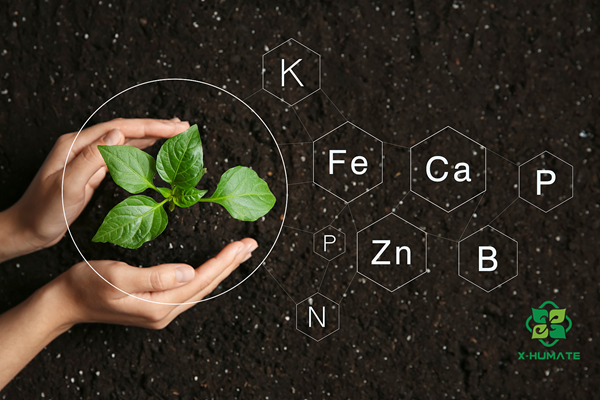
EDTA chelated iron works synergistically with other nutrients to enhance stress resistance. EDTA chelated iron fertizer is highly compatible with macronutrients such as nitrogen, phosphorus, and potassium, as well as other trace elements (such as zinc and manganese). EDTA fe can be applied in combination to avoid antagonistic interactions between elements (such as the mutual inhibition between iron and phosphorus). Iron also enhances the antioxidant capacity of crop cells, improving resistance to cold and disease (for example, iron deficiency can reduce disease resistance and increase susceptibility to disease).
Safety Precautions:
·Wear protective gloves, goggles, and a lab coat when handling EDTA Fe.
·Avoid inhalation or direct contact with skin and eyes.
·Store in a cool, dry place, away from moisture and incompatible materials.
·Follow local regulations for disposal.